
Should You Close a Credit Card After You Pay It Off or Keep It Open?
Paying off a credit card feels like the finish line. But should you close the account or keep it open? Here is the practical rule, the credit-score tradeoff, and when closing actually makes sense.
Should You Close a Credit Card After You Pay It Off or Keep It Open?
Paying off a credit card feels like a win. The next question is where a lot of people accidentally make things worse: should you close the card, or keep it open? In most cases, if the card has no annual fee and you can trust yourself not to run it back up, keeping it open is the better move.
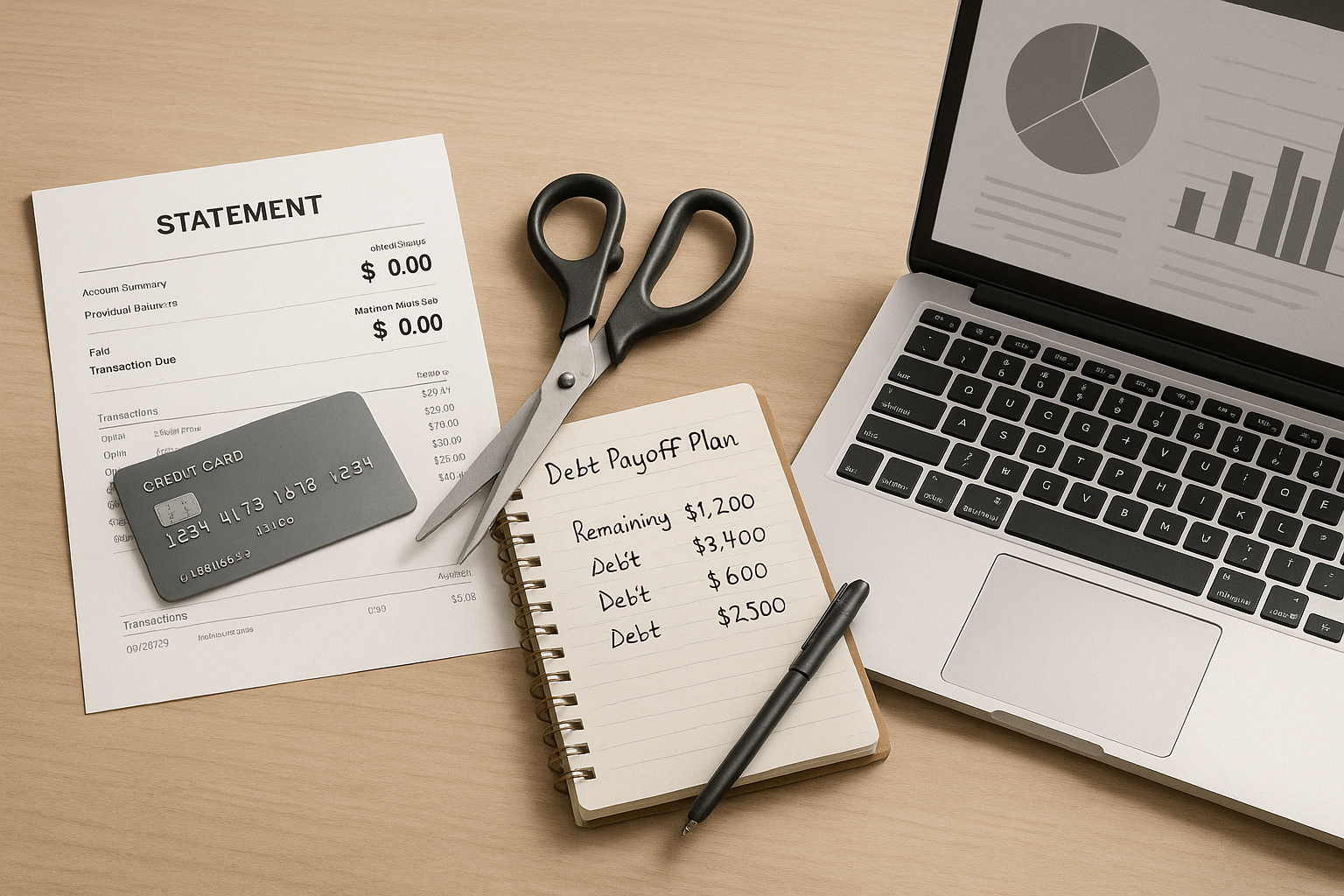
That answer is not about sentiment. It is about credit utilization, available credit, fees, and behavior. The Consumer Financial Protection Bureau says closing a credit card can increase your credit utilization ratio and lower your score. That is why the usual rule is keep the paid-off card open unless there is a strong reason to close it.
Best when the card has no annual fee, decent terms, and you can leave the balance at $0 or near $0.
Makes sense when the card has an annual fee, bad terms, or keeping it open makes relapse likely.
Run the effect on your budget and utilization before making the call. Small moves can change future borrowing costs.
The short answer
If you paid off a credit card and it has no annual fee, keeping it open usually helps more than closing it. If you close it, your total available credit drops. If your other balances stay the same, your utilization ratio rises. Higher utilization can hurt your score.
Closing can still be the right call if the card charges an annual fee, has predatory terms, or you know from experience that an open line is an invitation to slide back into debt. A paid-off card is only an asset if it stays under control.
Why keeping the card open usually wins
The CFPB's guidance is blunt: closing an existing card can increase your utilization ratio and lower your score. That matters because many people pay off one card while still carrying balances on others. Closing the paid-off card removes breathing room from the rest of the profile.
There is another practical benefit too: an open card with a $0 balance can act as backup liquidity for a real emergency if you have strong boundaries. That is not a license to spend. It is just better than throwing away available credit for no reason.
When closing the card makes sense
- The card has an annual fee. If the fee keeps hitting and the rewards are not worth it, closing or downgrading may be rational.
- The terms are bad. High fees, poor service, or other ugly account features can outweigh the utilization benefit.
- You are likely to reuse it. If keeping the card open makes you more likely to run the balance back up, closing may protect your progress.
- You are not applying for credit soon. A temporary score hit may matter less if you are nowhere near a mortgage, auto loan, or refinance decision.
My rule: if the main risk is credit-score optimization, keep it open. If the main risk is behavioral relapse, close it or freeze it. Debt freedom is more important than squeezing a few points out of your utilization ratio.
Do not close a card with a balance and expect the interest to stop
This part trips people up. If you close a card that still has a balance, you still owe the balance on schedule, and the issuer can still charge interest on what you owe. The CFPB says that clearly. Closing the account does not erase the debt mechanics.
That means the cleanest version of this decision is usually: pay it off first, then decide whether the account should stay open.
A practical 5-minute test
| Question | If yes | If no |
|---|---|---|
| Does the card have an annual fee? | Consider closing or product-changing | Keeping it open gets more attractive |
| Would keeping it open tempt you to carry debt again? | Close it or lock it down hard | Keeping it open may help utilization |
| Are you applying for major credit soon? | Avoid avoidable score hits | You have more flexibility |
| Do you still carry balances on other cards? | Keeping this card open usually helps | The score impact may be smaller |
What to do instead of closing it immediately
If you want the utilization benefit without the spending temptation, try this middle ground:
- Pay the card to $0.
- Set up autopay for the full statement balance.
- Remove the card from online wallets and shopping sites.
- Put one tiny recurring bill on it, or leave it unused if the issuer allows.
- Check every month that the balance stays controlled.
That keeps the line open without pretending you have more free-spending room than you really do.
Use Debt Freedom Planner before you decide
If this card decision is part of a bigger payoff plan, do not make it in isolation. Use Debt Freedom Planner to map all your balances, minimums, interest rates, and payoff order. You will see whether keeping the card open improves your position while you finish the rest of your debt.
Bottom line
Most people should keep a paid-off credit card open if it has no annual fee and they can handle it responsibly. Closing it can reduce available credit and raise utilization for no real benefit.
Close it when the fee is not worth it, the terms are lousy, or the open account makes relapse more likely. The best answer is not the same for every household, but the practical default is simple: protect your progress first, then optimize your credit profile second.
Sources
- CFPB: Does it hurt my credit to close a credit card? — explains that closing a card can increase utilization and lower your score.
- CFPB: I want to close my credit card account. What should I do? — explains how to close the account and notes that any remaining balance must still be paid on schedule.
- CFPB: Can a credit card company charge me interest after I close my account? — confirms that interest can still be charged on an unpaid balance after closure.
- Federal Reserve G.19 Consumer Credit — current context on revolving credit and household debt levels.
0 comments
Ask a question, add context, or share what worked for your household.
Create a free account or sign in to comment, reply, and vote on blog posts.