

If a Debt Collector Contacts You About a Debt You Already Paid, What Proof Should You Send?
Verify the collector, dispute the claim in writing, and send copies of payment, settlement, and zero-balance records—never your only originals.
Simple posts for households that want straight answers, clearer next steps, and a better handle on debt payoff strategy.
Verify the collector, dispute the claim in writing, and send copies of payment, settlement, and zero-balance records—never your only originals.

Most ordinary consumer creditors need a lawsuit, judgment, and garnishment order. Verify the case, exceptions, wage limits, and exemption deadlines before changing your payoff plan.

A small payment or written acknowledgment can restart the limitations period in some states. Verify the debt, dates, governing law, and written terms before you act.

An auto-loan statement is a dated snapshot. Before the final payment, request a payoff quote and verify accrued interest, fees, credits, timing, and early-payoff terms.

A timely federal student-loan return may reduce original principal, interest, and loan fees. Here is how to confirm the 120-day window and rebuild your payoff plan.

If one automatic debt payment hits your bank account twice, verify both sides, report the incorrect transfer promptly, protect essentials, and recalculate only from settled balances.

A credit-card charge-off does not erase the balance. Verify who owns it, confirm the itemized amount, and get written terms before you pay.

A covered debt collector may need to warn you in writing before depositing a postdated check—and it cannot deposit early. Here is how to protect your cash flow.

A settlement can trigger Form 1099-C, but the form is not the whole tax answer. Check the canceled amount, exclusions, and written terms before paying.

CP523 means the IRS says your installment agreement defaulted. Check the deadline, call immediately, and ask about cure, reinstatement, revision, or appeal.

Extra federal student loan payments may target a higher-rate loan and advance your due date. Verify allocation, paid-ahead status, and the posted principal change.

A changing automatic debt payment may require 10-day written notice. Compare the authorization, any range, and the actual debit before replanning.

A repossession may leave a deficiency balance. Verify the payoff, costs, sale credit, and account terms before building a realistic payoff plan.

Direct one payment across multiple collection accounts clearly: exclude disputed debts, name each allocation, compare payoff costs, and verify posting.

AWG and Treasury offset are temporarily delayed, but default remains. Verify notices, compare official options, and model payment timing.

Use the 120-day and 240-day nonprofit-hospital rules to document a pending financial-assistance application before building a payoff plan.

Track the first six required payments after a delinquency-based penalty APR, understand the separate six-month review, and model the payoff impact.

Verify the capitalization event first, protect required payments and cash, then compare the future interest saved by paying accrued student-loan interest early.

Stop the automatic debit, not the obligation: revoke authorization, notify your bank, protect the due date, and make a documented replacement payment.

Verify both accounts before retrying, protect the due date, document fees, and rebuild the payoff plan from the balance that is actually owed.

A collector cannot simply invent extra charges. Check the itemization, agreement, applicable law, and no-fee payment options before paying.

A merchant refund usually returns to the card you used. Learn how a credit balance works, when to request the money back, and how to update another payoff plan without double-counting it.

Paying on the due date can count - but receipt time, payment channel, time zone, and the issuer's cutoff determine whether it is on time.

Compare the EOB and provider bill first, resolve unexplained differences, and see how financing a $500 mismatch can raise total repayment.

Get the written out-the-door price, identify every optional add-on, and see how $3,000 financed at 8.5% can become $3,825.85 of repayment.

Before paying for credit repair, check seven warning signs and compare what recurring fees could cost your debt payoff plan.

Changing due dates can smooth paycheck timing, but it does not lower your balance or APR. Use this five-step test before moving a bill.

Before paying a debt through a search result, verify the official channel, fees, delivery timing, and final credit to the account.

New purchases can start accruing interest from their transaction dates. See how to stop the balance from moving and rebuild a payoff plan.

Pause before paying: verify the collector, debt, amount, dispute window, and written terms, then plan with confirmed numbers.

A payment extension can ease short-term cash flow while interest keeps growing and the payoff date moves. See the written terms to request and a worked $18,000 example.

Keep the payment current, stop new charges, read the issuer notice, and recalculate only the payoff inputs that actually changed.

Apply for hospital financial assistance before financing a medical bill, then compare credit terms using the verified remaining balance.

Extra auto-loan payments usually save interest on simple interest, but precomputed loans require contract checks and a payoff quote.

Learn when a fixed or variable credit-card APR change should trigger a payoff-plan update, with a statement checklist and a worked $9,000 example.

A closed card still needs scheduled payments and can keep charging interest. Use the statement, protect the due date, and set a fixed payoff amount.

Compare the IRS 180-day plan with a monthly installment agreement using current fees, a $12,000 worked example, and a sustainable-budget test.

Extra personal-loan payments can save time and interest—but only if the contract allows them and the lender applies the money as intended.

IRS Automatic Exemption from Penalty can remove eligible penalties, but tax and interest may remain. Learn who may qualify and how to rebuild a payoff plan.

Credit card minimums move with balances, interest, fees, and account terms. Use a two-number system to protect due dates without letting a shrinking minimum stretch your payoff.

The new Tiered Standard plan can lower a federal student-loan payment by extending the term. See the 10-, 15-, 20-, and 25-year tiers and a $30,000 worked example.

Deferred interest can add interest back to the purchase date, while a true 0% APR generally starts charging only after the promotion. Use this deadline plan and worked example.

The amount above your minimum generally goes to the highest APR first, while the minimum portion may follow your issuer agreement. Here is the rule, exception, and payoff math.

Paid the statement but got another interest charge? See how residual interest builds, estimate it, and close the card balance cleanly.

RAP can waive qualifying unpaid monthly interest and provide up to $50 in monthly principal assistance. See how the mechanics fit into a complete debt payoff plan.

A 24-month payoff-engine example shows what the temporary federal student-loan auto-pay rate reduction could save, plus the dates and cash-flow checks borrowers need.
Learn whether to pay your credit card statement balance, current balance, or minimum payment—and what changes when you already carry debt.

A practical script for asking your credit card issuer for hardship help, what to ask for, and how to compare the offer against your real budget.
A practical, math-based plan for what to do when your credit card APR jumps after a missed payment, including how penalty pricing affects payoff time, what the CFPB says, and how to rebuild your plan in Debt Freedom Planner.
Using HSA money to wipe out credit card debt usually creates taxes and a 20% penalty if the withdrawal is not for qualified medical expenses. Here is the narrow exception, the math, and how to decide.
A San Jose-specific debt payoff example using real local income and living-cost data, with a realistic payoff simulation, structured local tables, animated SVG charts, and a starter scenario for Debt Freedom Planner.
A practical step-by-step plan for what to do when your credit card minimum payment is higher than your budget, including hardship options, nonprofit counseling, scam warnings, and a realistic payoff triage framework.
If you have an old charged-off credit card and a few current cards still in good standing, the payoff order matters. Here is the practical rule, the exceptions, and how to avoid making your situation worse next month.
A Fort Worth-specific debt payoff example using real local income, rent, living-wage, and wage data, with an actual payoff simulation, animated SVG charts, and a starter scenario for Debt Freedom Planner.
If your federal student loans are on income-driven repayment, the payoff order is usually different than people think. Here is the practical rule, the exceptions, and how to build a plan that does not blow up your cash flow.
Paying off a credit card feels like the finish line. But should you close the account or keep it open? Here is the practical rule, the credit-score tradeoff, and when closing actually makes sense.
A Jacksonville-specific debt payoff example using real local income, wage, rent, and living-cost data, with an actual payoff simulation, animated SVG charts, and a starter scenario for Debt Freedom Planner.
If you owe both the IRS and your credit cards, the right order depends on whether you are current, on an approved installment agreement, and what interest and penalties are still accruing.
A practical decision framework for choosing between BNPL installments and high-APR credit card debt, with a cash-flow example, animated SVG charts, and clear rules for when each option should come first.
A San Diego-specific debt payoff example using real local income and living-cost data, with an actual payoff simulation, animated SVG charts, and a starter scenario for Debt Freedom Planner.
.dfp-post{font:16px/1.7 -apple-system,BlinkMacSystemFont,"Segoe UI",sans-serif;color:#142033} .dfp-post .hero{margin:0 0 18px} .dfp-post .hero img{width:100%;height:auto;border-radius:18px;display:block;box-shadow:0 1...
If one credit card is at 0% APR and another is near 29%, here is the practical payoff order, the one exception to watch for, and how to test both paths before your promo ends.
If one credit card is at 0% APR and another is near 29%, here is the practical payoff order, the one exception to watch for, and how to test both paths before your promo ends.
A practical way to decide whether paying off a car loan will actually help your mortgage application, or whether your cash is better used elsewhere.
A practical debt-payoff plan for freelancers, contractors, and self-employed workers who need to balance high-interest credit card debt with quarterly tax savings.
A San Antonio-specific debt payoff example using real local income and living-cost data, with an actual payoff simulation, animated SVG charts, and a starter scenario for Debt Freedom Planner.
A practical once-a-month paycheck debt payoff plan that shows how to avoid late fees, manage cash flow, and make faster progress without wrecking the rest of your month.
A Philadelphia-specific debt payoff example using real local income and living-cost data, with an actual payoff simulation, animated SVG charts, and a starter scenario for Debt Freedom Planner.
A Philadelphia-specific debt payoff example using real local income and living-cost data, with an actual payoff simulation, animated SVG charts, and a starter scenario for Debt Freedom Planner.
A realistic debt-payoff plan for someone carrying $8,000 in credit card debt at a high APR with only $200 a month available, including the real payoff timeline, interest cost, and the exact moves that shorten it.
A practical biweekly paycheck debt-payoff plan that shows why splitting payments across 26 paychecks can cut interest, improve cash flow, and make Debt Freedom Planner easier to stick with.
A Phoenix-specific debt payoff example using local income and living-cost data, with a real payoff simulation, animated charts, and a starter scenario for Debt Freedom Planner.
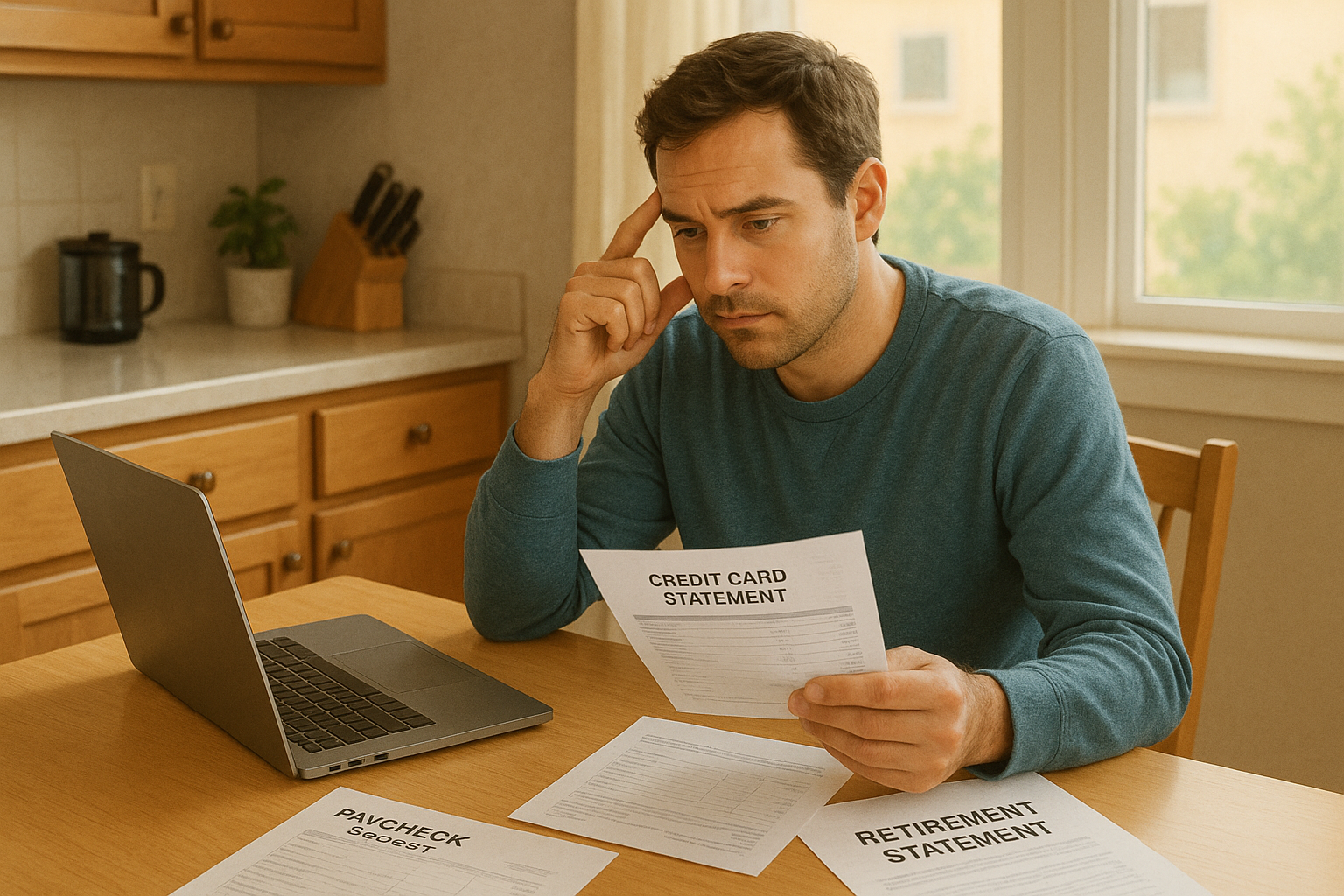
If you have expensive revolving debt, the smartest middle path is often to keep the employer match but redirect contributions above the match toward credit card payoff for a season.
A practical plan for handling credit card debt after a job loss: protect essentials, ask for hardship help early, and rebuild your payoff timeline without missing payments.
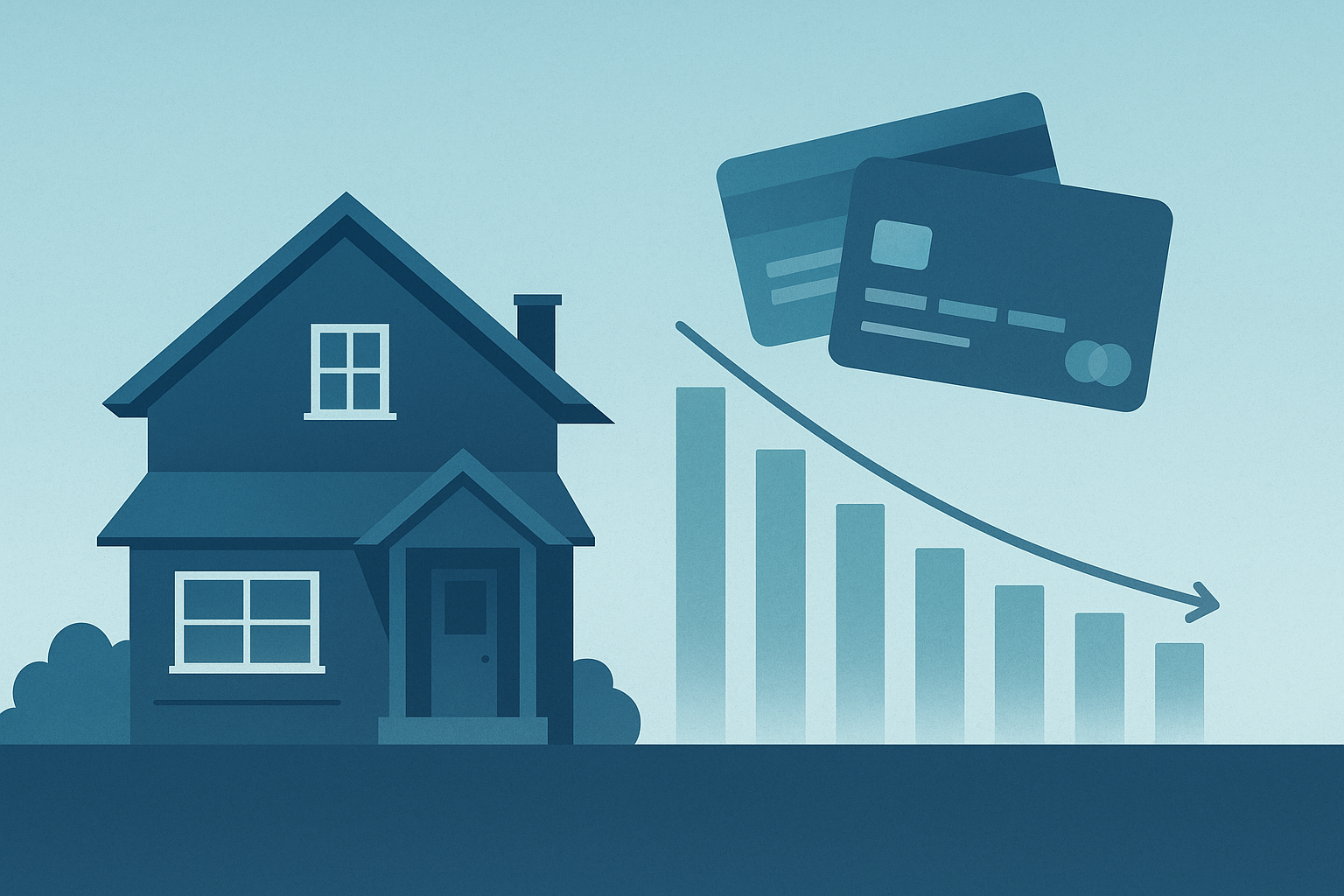
Thinking about using a home equity loan or HELOC to wipe out credit card debt? Here is the real math, the risk tradeoff, and when it can backfire.
Debt Payoff Calculator for Houston, TX: A Real Debt Freedom Simulation Houston is next in the city series for DebtFreedomPlan.net because it is the largest pending city in the target list and it gives a useful middle-...
Should you use a personal loan to pay off credit card debt? Here is how to compare APR, fees, and total payoff cost before you consolidate.
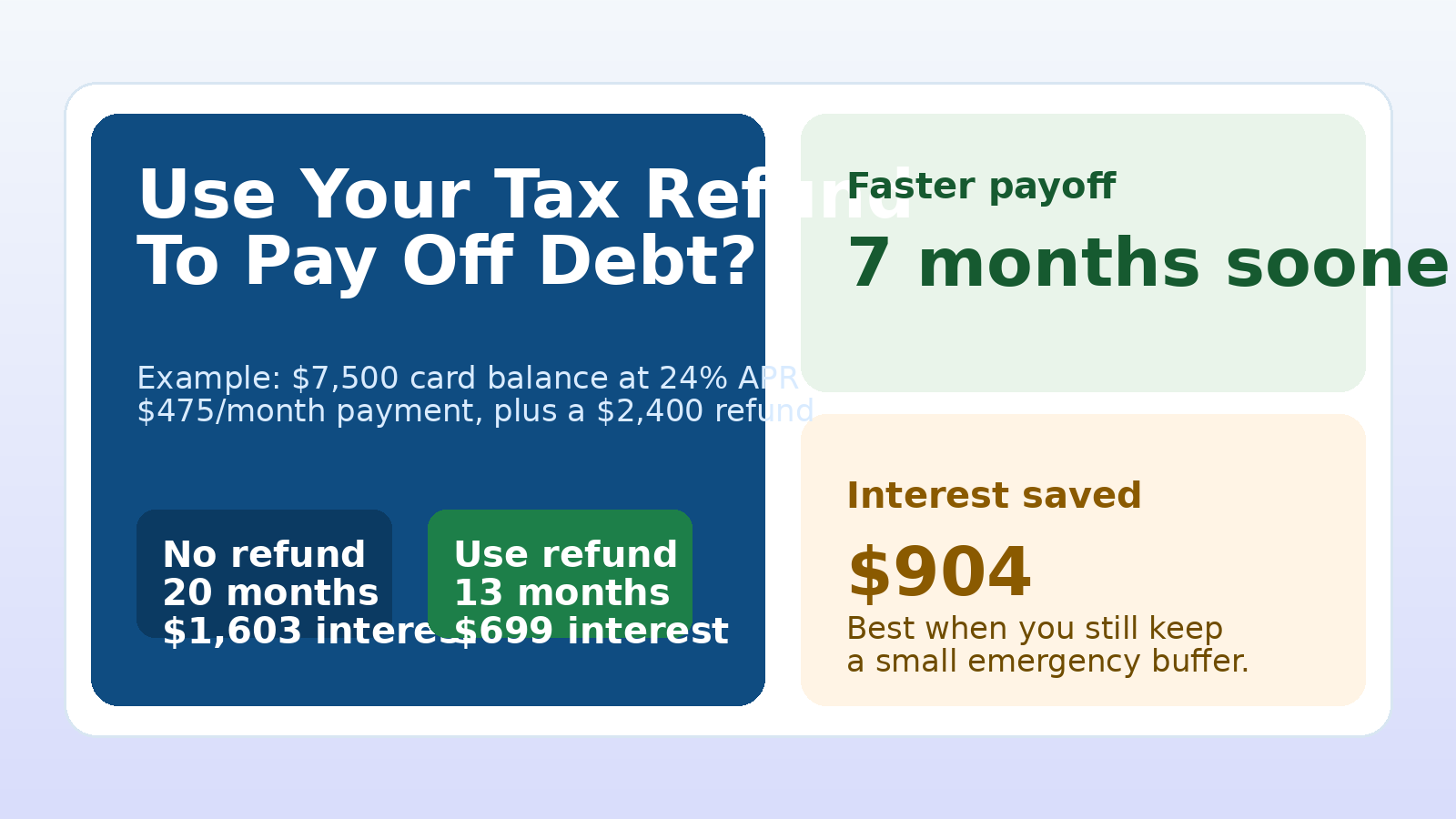
Should you use your tax refund to pay off credit card debt? Here is a practical answer, with break-even math and a realistic payoff example.
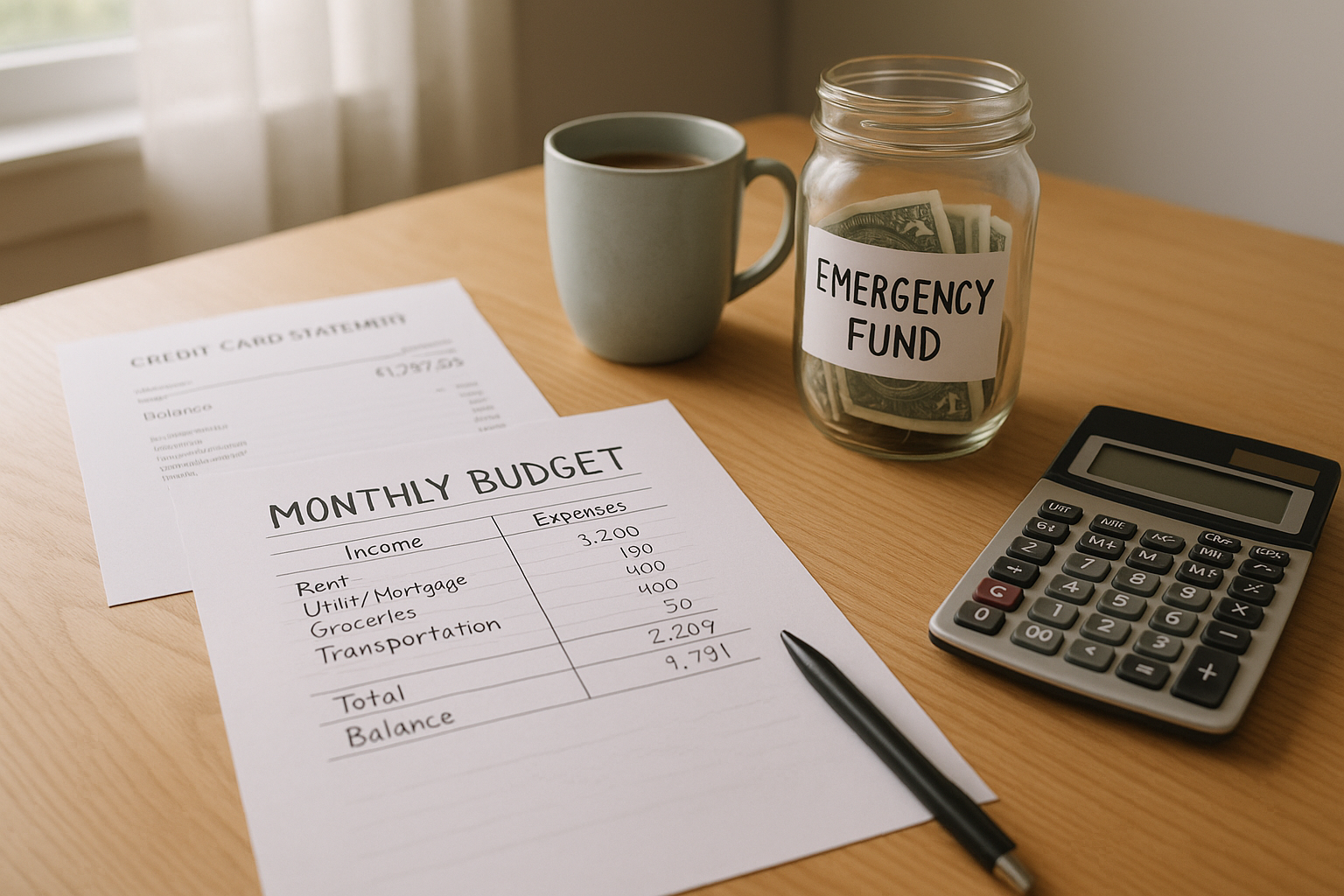
Should you build a one-month emergency fund before paying off credit card debt? Here is the real tradeoff, with numbers, payoff math, and when the bigger buffer makes sense.
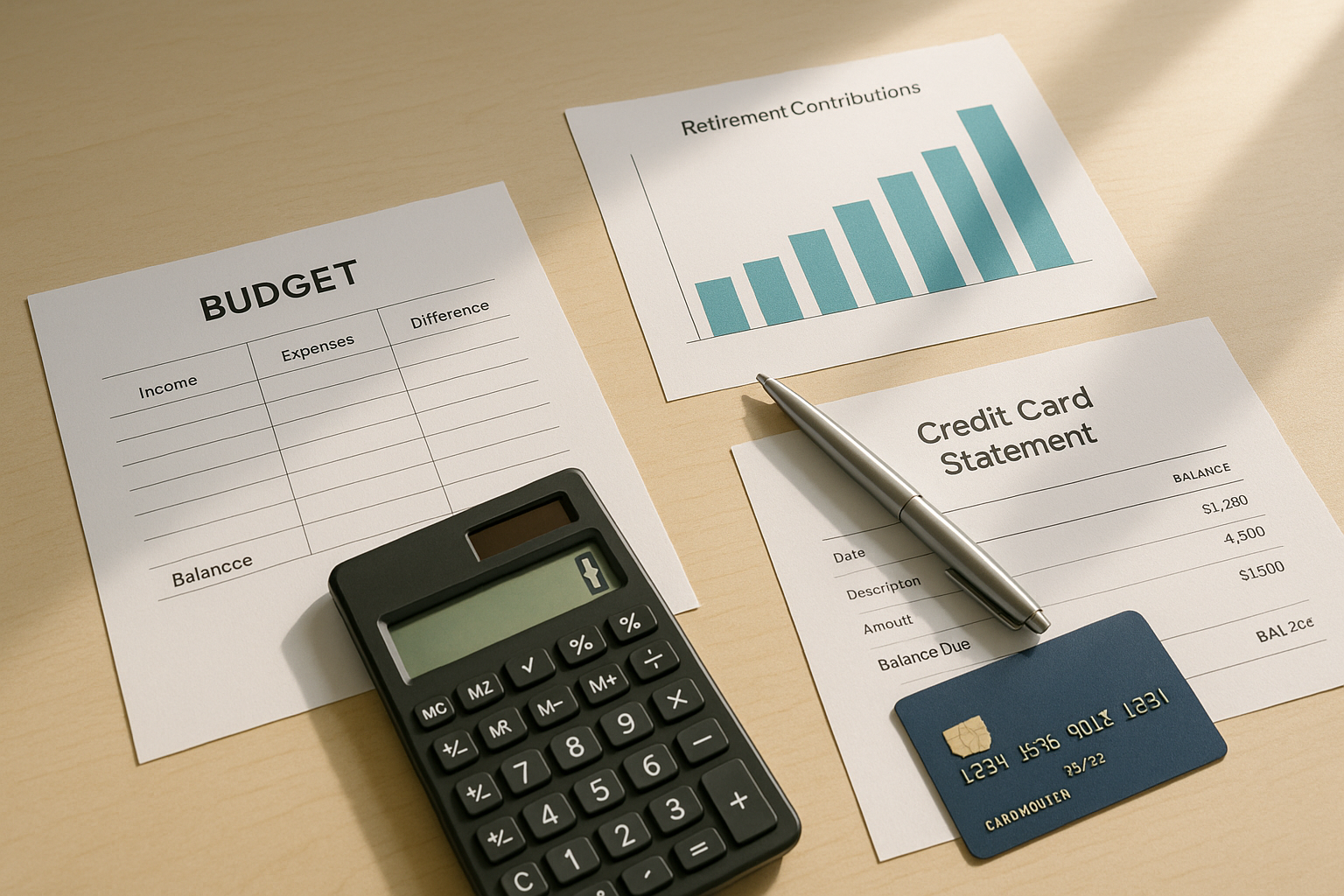
Should you get your 401(k) employer match or pay off credit card debt first? Here is a practical framework with real numbers and tradeoffs.
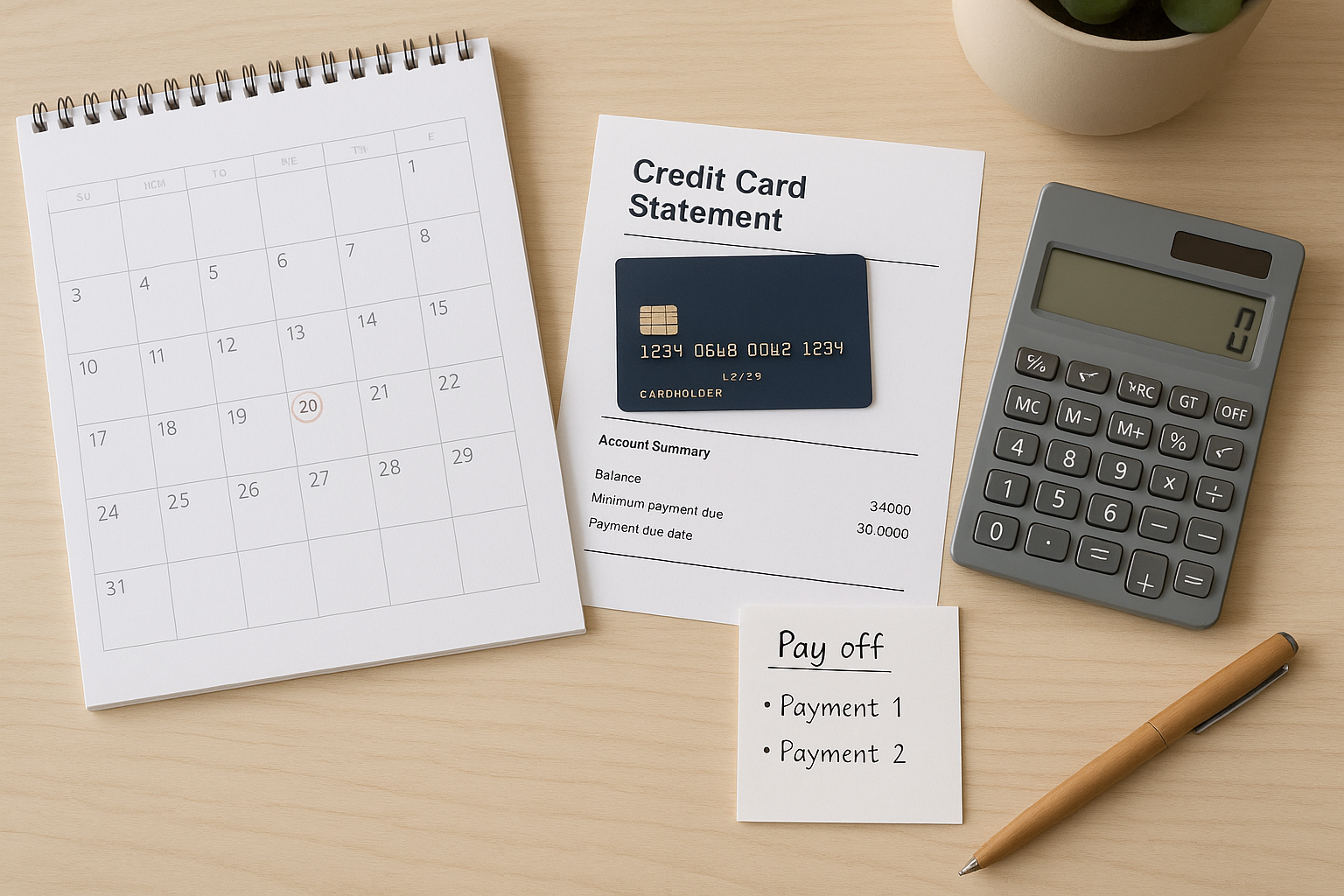
Will making two credit card payments a month save interest? Here is when it helps, when it does not, and a realistic example using average daily balance math.
Compare debt snowball vs avalanche for 3 credit cards with a realistic example, interest math, and a practical way to choose the best payoff strategy.
Debt Payoff Calculator for Los Angeles, CA: A Real Debt Freedom Simulation A Los Angeles debt payoff example built with real local income and living-cost data, plus a practical starter scenario you can run in Debt Fre...
A practical plan to calculate the exact payment needed before your intro APR ends, with examples, tradeoffs, and when to use a balance transfer.

A practical, numbers-first plan for paying off $10,000 in credit card debt on a $40,000 salary, with payoff math, budget guidance, and when consolidation may or may not help.
A New York City debt payoff guide using local income and cost-of-living data plus a real credit card payoff simulation you can copy into Debt Freedom Planner.
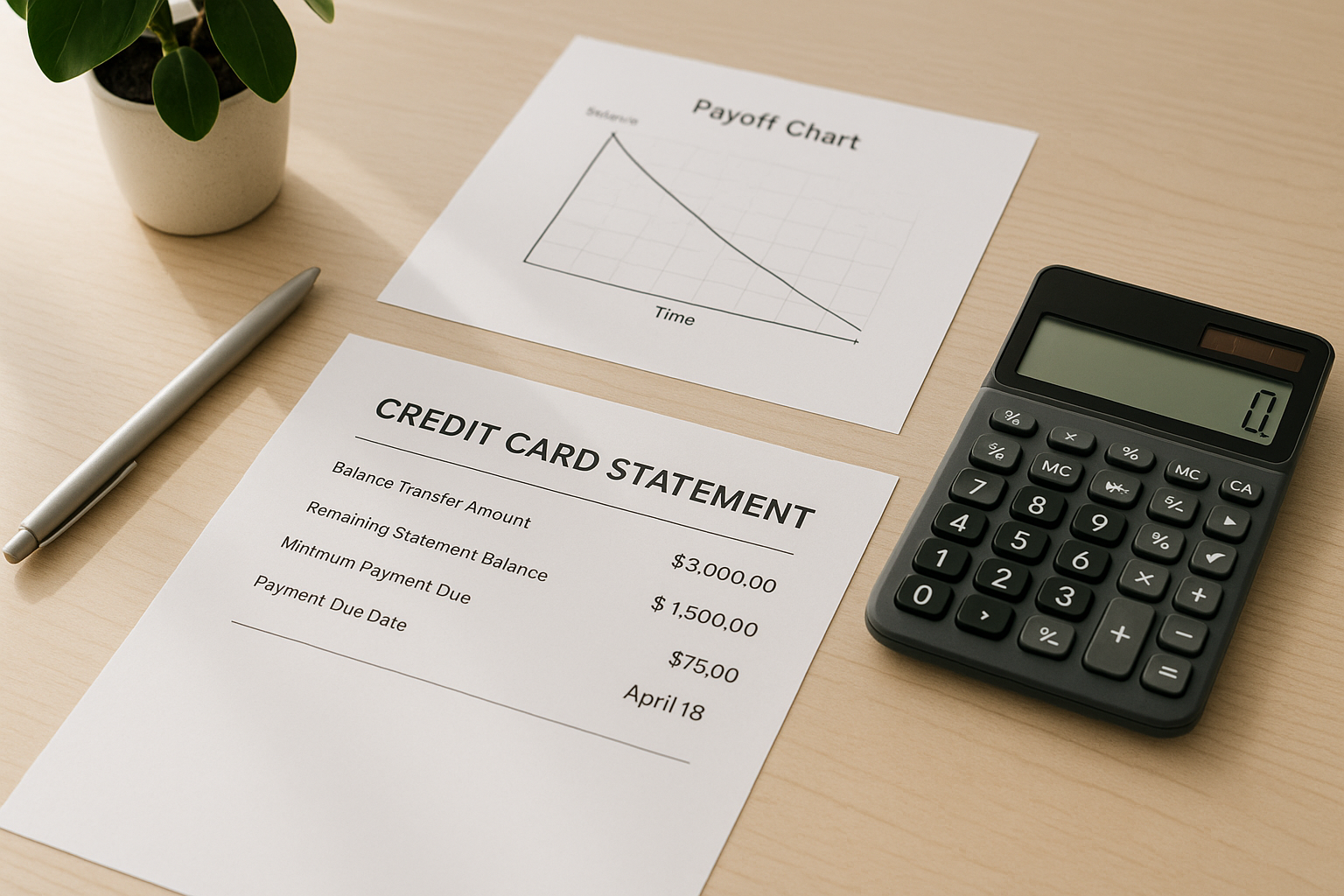
Thinking about a 0% balance transfer? Use break-even math to see when the fee is worth it, how fast you need to pay, and when a transfer actually helps you get out of credit card debt.

A Dallas debt payoff simulation using local income and cost data, with a real payoff example and a practical next step in Debt Freedom Planner.

A practical step-by-step plan for paying off credit card debt on a single income without blowing up your monthly cash flow.
A practical debt payoff plan for freelancers, gig workers, commission-based earners, and anyone with irregular income.
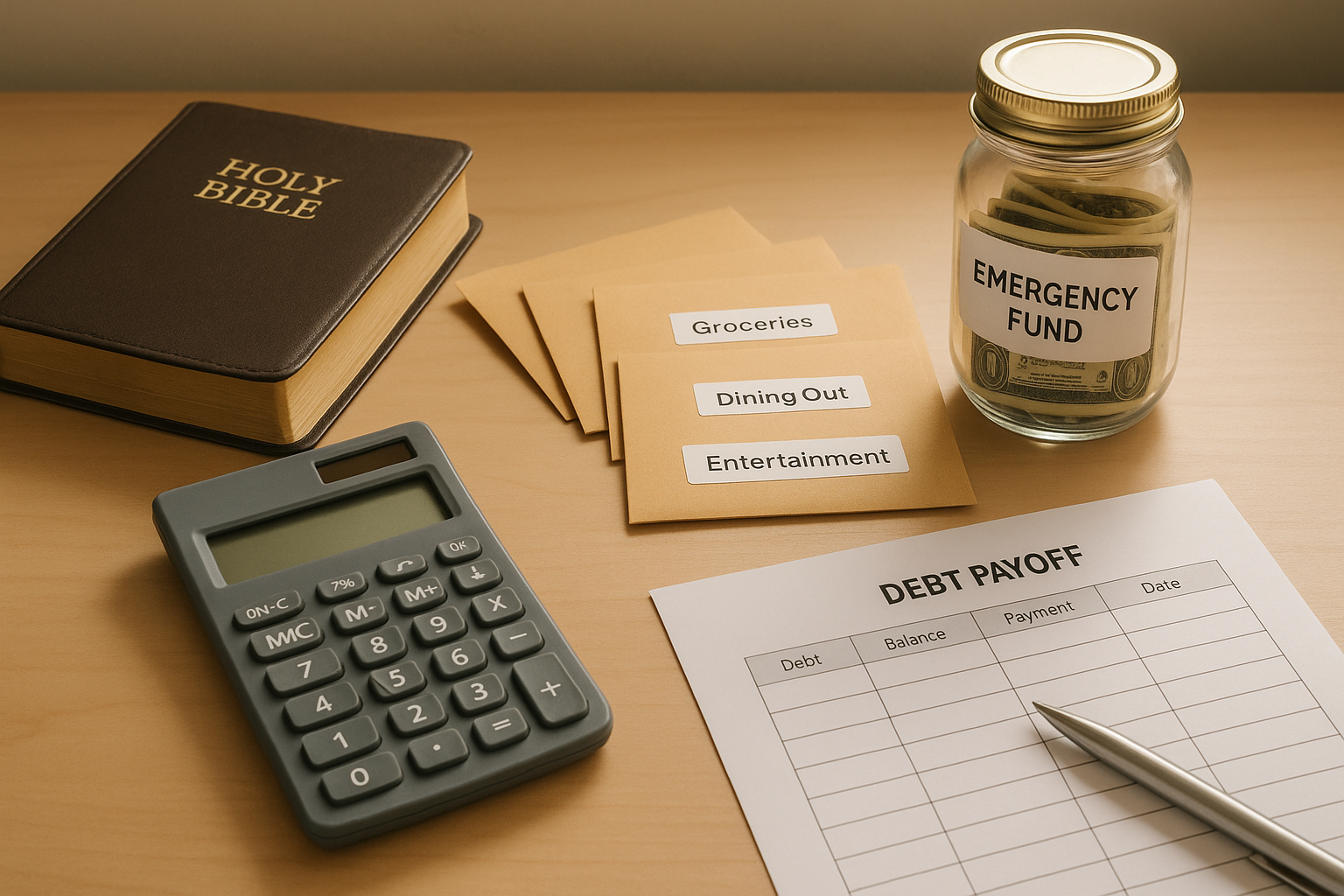
Should you use savings to pay off debt or keep an emergency fund first? Here is the smartest order for most families, with examples and a practical plan.