
How to Pay Off Credit Card Debt After a Job Loss Without Missing Payments
A practical plan for handling credit card debt after a job loss: protect essentials, ask for hardship help early, and rebuild your payoff timeline without missing payments.
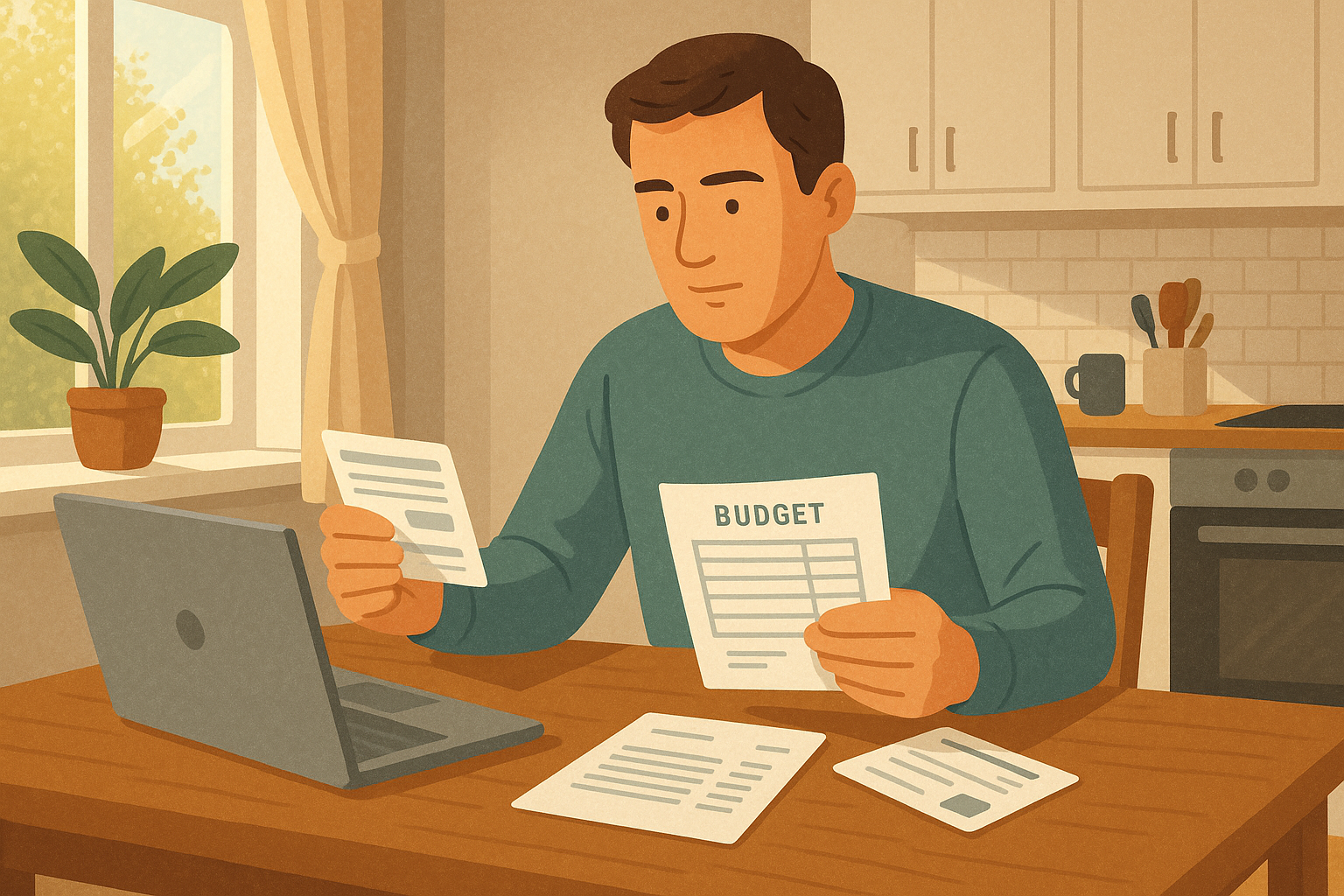
If you just lost your job and you have credit card debt, the goal is not to “out-hustle” the debt this month. The goal is to avoid expensive damage while you stabilize cash flow. That means protecting essentials first, contacting card issuers before you miss payments, and building a realistic payoff restart plan the moment income returns.
That may sound less dramatic than “crush your debt fast,” but it is usually the smartest move. The Consumer Financial Protection Bureau says to act right away if you can’t pay your credit card bill and contact the card company immediately. The Federal Trade Commission gives the same basic advice: call creditors before accounts spiral and before collectors get involved.
What to do in the first 48 hours after a job loss
- List your essential monthly costs first: housing, utilities, groceries, insurance, transportation, prescriptions, and minimum debt payments.
- Stop all optional extra debt payments for the moment. If you were paying an aggressive snowball or avalanche amount, pause the extra while you rework your budget.
- Check available cash: checking, savings, severance, unused PTO payout, spouse income, side income, and expected unemployment benefits.
- Call every credit card issuer before the due date. Ask about hardship options, reduced payment plans, waived fees, lower APRs, or temporary forbearance.
- Track due dates in one place. A missed payment hurts more than most people expect once late fees, penalty APR risk, and credit damage start stacking.
Visual: your first-30-days action timeline
Hover the chart to replay the animation.
Should you keep paying extra toward debt while unemployed?
Usually, no. During a job loss, your best move is to switch from acceleration mode to damage-control mode. That does not mean ignoring your debt. It means keeping accounts as current as possible while protecting the bills that keep your life running.
If your old debt plan assumed a full paycheck, it is outdated the second your income drops. Rebuild it based on today’s reality, not last month’s optimism.
Visual: the cash-priority ladder during unemployment
This is the order most households should think through before sending extra debt payments.
What to say when you call your credit card company
The CFPB recommends being specific when you talk to the issuer. Explain why you cannot make the normal payment, how much you can afford, when you expect your situation to improve, and what payment amount you are requesting. That is much better than a vague “I’m struggling right now.”
A practical script:
Then ask these follow-up questions:
- Will this arrangement lower my payment, APR, or both?
- How long does it last?
- Will interest continue accruing?
- Will my account be closed or frozen?
- How will it be reported to the credit bureaus?
- Can you send the terms in writing or secure message?
If you can’t cover every minimum payment
This is where people panic and make random moves. Don’t. Use a priority system.
- Protect the roof over your head and your ability to work.
- Stay current on secured debts when possible. Falling behind on an auto loan can put your transportation at risk.
- Call unsecured creditors before you miss a payment. Issuers are more likely to work with you before an account is deeply delinquent.
- Avoid debt relief promises that start with upfront fees or guarantees. The CFPB and FTC both warn about settlement-style claims that sound easier than they really are.
If your situation is bigger than one or two cards, a reputable nonprofit credit counselor may help you review the full picture. The CFPB says to ask what fees are charged and what services are included before signing up. The FTC also recommends looking for legitimate counseling rather than chasing “fast debt relief” ads.
How Debt Freedom Planner helps during a job loss
This is exactly where a debt payoff tool becomes useful. When income changes, you need to model tradeoffs fast:
- What happens if you pause extra payments for 60 days?
- What happens if one card gets a temporary hardship rate?
- What payoff date do you get if income returns in 30, 60, or 90 days?
- Which account should get the first extra dollar once you are back on your feet?
Debt Freedom Planner is useful here because it turns a stressful “what now?” moment into a set of visible scenarios. Instead of guessing, you can compare a bare-minimum month, a hardship-plan month, and a recovery month side by side.
When to restart aggressive debt payoff
Restart extra payments when three things are true:
- Your current month’s essentials are covered.
- Your minimums or hardship-plan payments are sustainable.
- Your new income is stable enough that you are not likely to re-borrow next week.
Once that happens, put your debt plan back on offense. But do it with updated numbers. If income is lower than before, the old plan may no longer fit. Re-run the payoff timeline and choose a monthly amount you can actually maintain.
One more smart move: review your credit reports
AnnualCreditReport.com explains that your credit reports matter and that reviewing them helps you catch problems early. After a job loss, this is worth doing because a billing error, a misreported late payment, or identity theft can make recovery harder. Checking your reports is not the whole solution, but it is good maintenance during a volatile season.
Bottom line
If you are trying to pay off credit card debt after a job loss, do not lead with guilt. Lead with sequence. Protect essentials, call issuers quickly, ask for hardship help in plain language, and rebuild your payoff plan around real cash flow. That gives you the best chance of avoiding expensive setbacks now and finishing your debt payoff faster once income returns.
And when you’re ready to map the next version of your plan, use Debt Freedom Planner to test realistic payment scenarios before you commit to one.
Sources
0 comments
Ask a question, add context, or share what worked for your household.
Create a free account or sign in to comment, reply, and vote on blog posts.