
How to Pay Off Credit Card Debt When You Get Paid Every 2 Weeks
A practical biweekly paycheck debt-payoff plan that shows why splitting payments across 26 paychecks can cut interest, improve cash flow, and make Debt Freedom Planner easier to stick with.
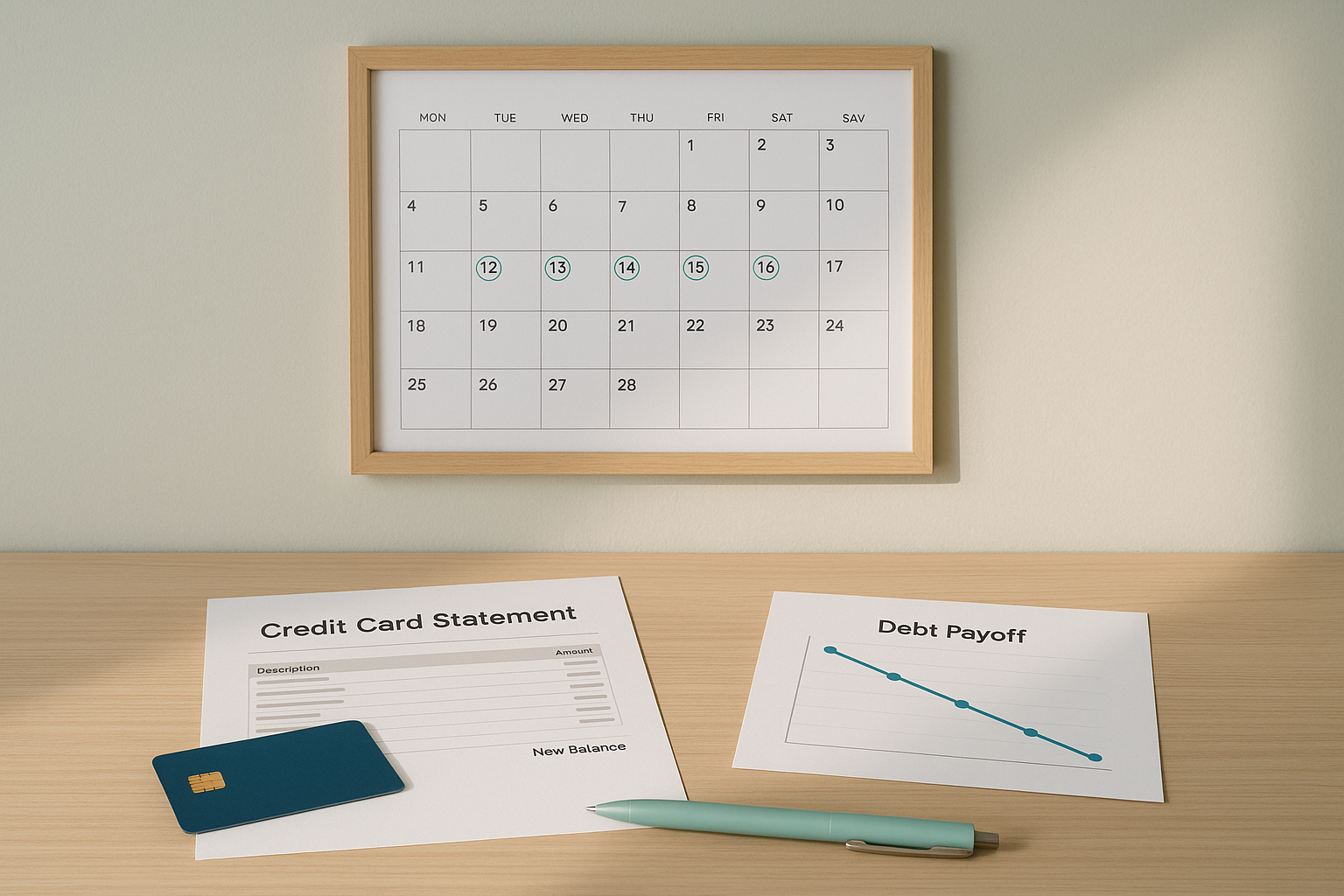
If you get paid every two weeks, a normal monthly debt plan can feel awkward. Your credit card due date is monthly, but your cash flow is not. That mismatch is why a lot of biweekly workers end up either paying late, paying whatever is left, or waiting until the due date even when they had cash earlier in the cycle.
There is a cleaner way: build your debt payoff plan around your paychecks, not the calendar month. For many people, that means splitting one planned monthly debt payment into two smaller paycheck-based payments and using the two “extra” paychecks each year to accelerate payoff.
Why biweekly pay can help you get out of debt faster
Most credit cards charge interest based on your average daily balance. The Consumer Financial Protection Bureau explains that many issuers calculate interest daily and that, if you are carrying a balance, the sooner you pay off all or part of it, the less interest you pay. That matters for workers who get paid every 14 days because you often have money available before the statement due date arrives.
There is a second advantage too: a biweekly paycheck schedule gives you 26 paychecks per year. If you commit a fixed amount from each paycheck toward debt, you usually end up making the equivalent of 13 monthly half-payment cycles per year, not 12. In plain English: the paycheck rhythm can quietly create an extra full month of debt payoff annually.
A simple payoff plan if you get paid every 2 weeks
- Choose one monthly target payment. Example: $400 total toward your card.
- Split it in half by paycheck. Instead of waiting to send $400 once, send $200 from each paycheck.
- Keep the minimum due protected. Your autopay should still cover at least the minimum so you do not risk a late fee or credit damage.
- Use the two “extra paycheck” months on purpose. When three paychecks land in one month, send the planned debt amount from that third check too, unless you urgently need to rebuild a small emergency buffer.
- Track payoff by paycheck, not by statement cycle. This is the part most people skip, and it is why the system falls apart without a planner.
Monthly payment vs biweekly payment: what actually changes?
| Approach | How it feels | Main upside | Main risk |
|---|---|---|---|
| One monthly payment on the due date | Simple on paper | Easy to automate | You may hold cash too long while interest keeps accruing |
| Half-payment after each biweekly paycheck | Matches real cash flow | Can reduce interest and improve consistency | You need a system so the minimum due is never missed |
When biweekly debt payments make the most sense
This strategy is especially useful if:
- you are a W-2 worker paid every 14 days
- your biggest debt is high-interest credit card debt
- you keep running short because bills are monthly but income is biweekly
- you tend to spend money that was supposed to go to debt because it sat in checking too long
The CFPB also notes that bill timing matters. If income and due dates do not line up, cash can feel tighter than it really is. A bill calendar or paycheck-based plan helps you see which check needs to cover which bill, which is exactly what you want when attacking debt.
When biweekly payments will not fix the problem
Do not expect a biweekly schedule to solve everything by itself. If your minimum payments already consume most of your paycheck, you still need one of these deeper fixes:
- a spending cut that frees real cash flow
- a balance transfer with fees and timing fully mapped out
- a temporary hardship plan with the card issuer
- higher income or side income dedicated to principal
Also, if you are living paycheck to paycheck with no buffer at all, set up a tiny starter cushion before you become overly aggressive. The point is to make your payoff plan survivable, not just mathematically ideal for one month.
The easiest way to run this plan without making mistakes
The hard part is not the math. The hard part is seeing, paycheck by paycheck, what happens to your debt if you change the amount, timing, or target card.
That is where Debt Freedom Planner fits naturally. If you are paid every two weeks, you can model your debts, test a paycheck-based payoff rhythm, and see how faster payments change the timeline. Instead of guessing whether biweekly payments help, you can build a plan you can actually follow.
Bottom line
If you get paid every 2 weeks, do not force yourself into a once-a-month debt payoff habit just because your statement is monthly. A biweekly paycheck plan is usually more realistic and often more efficient. Pay earlier when you can, protect the minimum due with autopay, and use the extra-paycheck months to press down principal faster.
If you want to map it before changing anything, plug your numbers into Debt Freedom Planner and compare the payoff date for monthly versus paycheck-based payments.
Sources
- Consumer Financial Protection Bureau, How does my credit card company calculate the amount of interest I owe?
- Consumer Financial Protection Bureau, Budgeting: How to create a budget and stick with it
- Consumer.gov, Getting a Credit Card
0 comments
Ask a question, add context, or share what worked for your household.
Create a free account or sign in to comment, reply, and vote on blog posts.